What the Numbers Say About Hiring Right Now — and What They Mean for Local Manufacturers
The latest labour market data tells a story that most manufacturing and engineering businesses in Essex and Suffolk will already be feeling. Hiring permanently feels risky right now, there are more candidates around than there were, and the businesses still getting things done are leaning harder on flexible staffing than they have in years.
Why National Headlines don't tell the full story here
You may have seen reports that more candidates are coming to market. That's true — but if it doesn't feel that way when you're trying to fill a role in Essex or Suffolk, there's a reason for it.
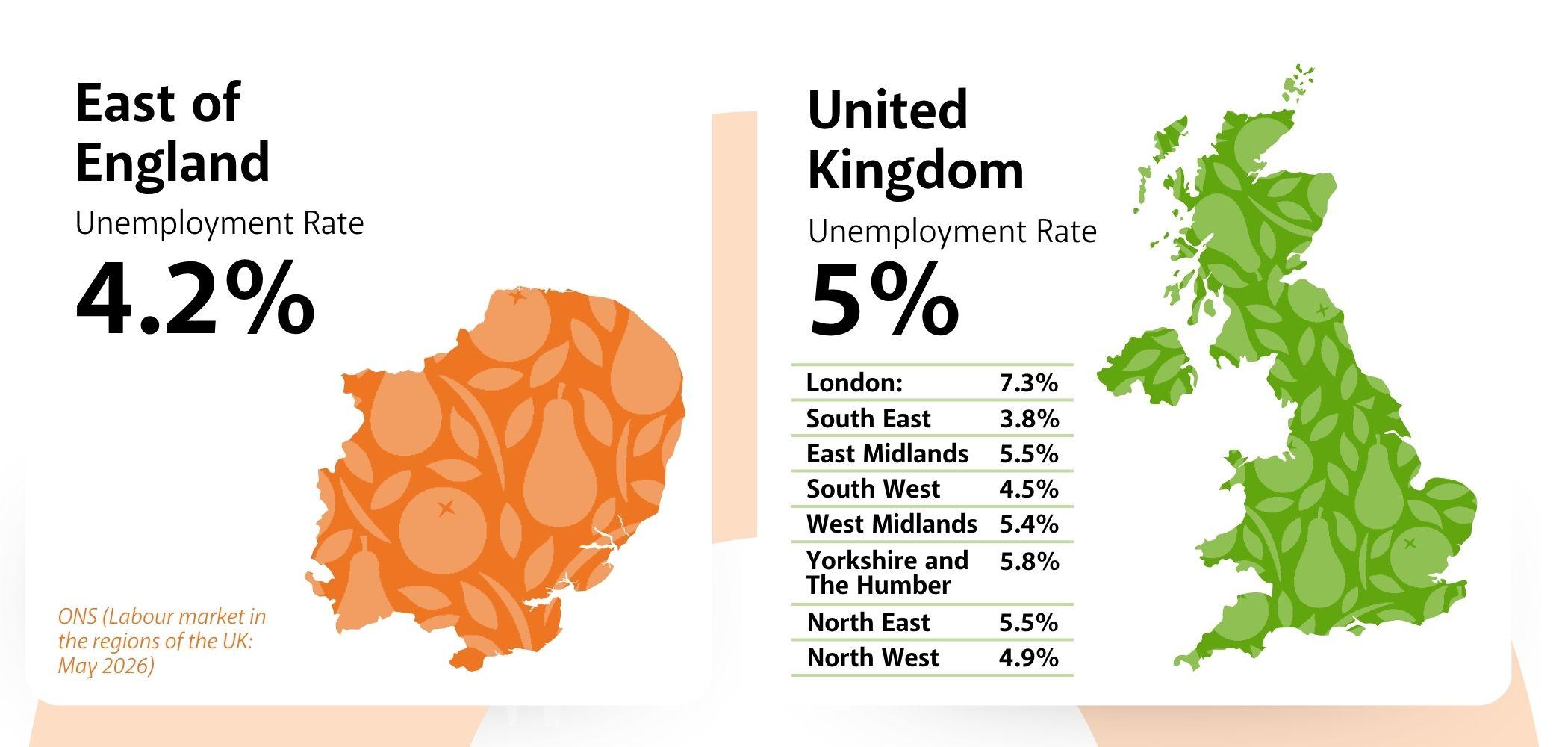
The East of England had an employment rate of 77.9% in January to March 2026 — one of the highest of any English region, and well above the UK average of 75.0%. In other words, more of the working-age population here is already in a job than almost anywhere else in the country. Unemployment here sits at 4.2%, compared with a national rate of 5.0%. The pool of people actively looking for work has always been smaller here — and that hasn't changed.
Add to that the skill gaps that anyone hiring for a production environment already knows about, and the reality on your doorstep is tighter than the headlines suggest.
Permanent hiring is slowing
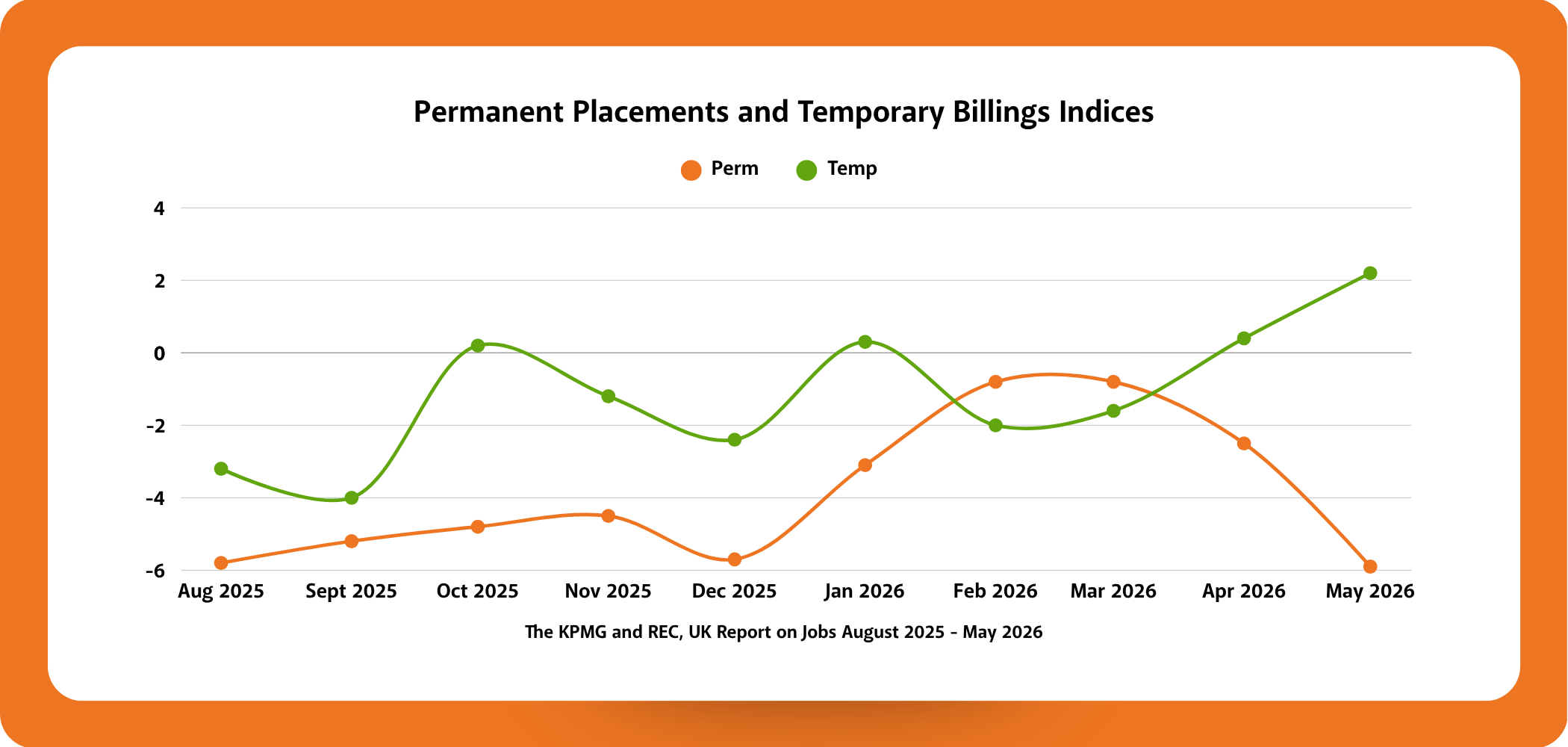
If you've been holding off on a permanent hire, you're not alone. Permanent placements across the sector fell in May at their fastest rate in ten months — and for manufacturers, the reasons go beyond general uncertainty.
Energy costs are up again. Manufacturing was already paying some of the highest industrial energy costs in the world before the Gulf crisis pushed them higher still. On top of that, Employer National Insurance Contributions rose from 13.8% to 15% in April 2025, with the threshold at which businesses start paying dropping significantly — increasing the cost of employment across the board.
Make UK surveyed manufacturers across the UK and found that 98% expect a significant hit to profitability. More than a fifth have already reduced headcount. Nearly four in ten have delayed investment — and capital investment intentions dropped sharply from +20% to +8% in Q2, the clearest sign yet that businesses are protecting cash rather than committing to the future.
If you recognise your own business in those numbers, that's exactly why committing to a permanent hire feels like a bigger decision than it used to — even when the work is there to justify it.
Temporary and contract work is filling the gap
With permanent hiring slowing across the sector, flexible staffing has seen a big increase — businesses across manufacturing are using temporary resource at a rate not seen in over three years.
Flexible staffing has always had a role in production environments — covering demand peaks, bridging a gap while a permanent search runs, backfilling without rushing a permanent replacement. What's changed is the scale. Businesses that previously used temporary resource for specific situations are now relying on it more broadly, as a way of staying operational while longer-term decisions stay on hold.
The bigger picture for Essex and Suffolk
The data points to one clear conclusion: flexible staffing is absorbing the uncertainty while longer-term decisions get made. That's an understandable response to a genuinely difficult time to make long-term plans.
And it's worth acknowledging — manufacturing is taking a lot of hits right now. Energy costs, employer NICs, the Employment Rights Act. The pressures are real and they're coming from multiple directions at once. But the sector is doing what it has always done: adapting. Businesses are finding ways to keep production moving and orders fulfilled, even when committing to permanent headcount isn't the right call yet. That resilience is showing up in the data, and in the conversations we have on factory floors across Essex and Suffolk.
When you're ready to make that next permanent hire, just bear in mind that the candidate pool here is slightly smaller than in most other parts of the country — so the earlier you start that conversation, the better position you'll be in.
If you're in that position — whether you need temporary cover to keep production moving or you're ready to make a permanent hire — we can help. Get in touch and we'll talk through what's realistic for your business right now.
10 Reasons to Register with Prime Appointments When Looking for Jobs in Essex or Suffolk
Looking for a new job can feel overwhelming. Between searching job boards, editing your CV (even with the help of AI) and waiting to hear back from employers, it's easy to spend hours applying without getting anywhere.The good news is that job…