What Are a Maintenance Engineer's Responsibilities?

Maintenance engineers ensure machinery and equipment operate reliably through preventative maintenance, breakdown repairs, and continuous improvement initiatives. They diagnose faults, implement solutions, and work closely with production teams to minimise disruption. Their responsibilities span from routine inspections to complex troubleshooting, ensuring all systems meet safety standards and performance targets.

Maintenance Engineer Key Tasks:

  • Preventative Maintenance Planning: Schedule and carry out planned maintenance activities to prevent equipment failures and extend machinery lifespan.
  • Breakdown Response and Repair: Diagnose and resolve mechanical, electrical, and pneumatic faults quickly to minimise production downtime.
  • Equipment Installation and Commissioning: Install new machinery, oversee commissioning processes, and ensure seamless integration with existing systems.
  • Continuous Improvement Projects: Identify opportunities to improve equipment reliability, reduce maintenance costs, and enhance operational efficiency.
  • Documentation and Compliance: Maintain accurate maintenance records, spare parts inventories, and ensure all work complies with health and safety regulations.

What Are a Maintenance Engineer's Responsibilities?
What are the essential skills for a Maintenance Engineer?

Maintenance engineers need a strong technical foundation combined with practical hands-on experience. Success in the role depends on problem-solving abilities, mechanical and electrical knowledge, and the capacity to work under pressure in fast-paced production environments.

Qualifications and Certifications:

  • An apprenticeship or vocational qualification in mechanical engineering, electrical engineering, or maintenance engineering (e.g., NVQ Level 3, BTEC, HNC/HND)
  • Additional certifications such as City & Guilds 2391-52 (Inspection and Testing of Electrical Installations), 18th Edition Wiring Regulations (BS 7671:2018+A4:2026), hydraulics and pneumatics qualifications, or Lean Six Sigma can significantly enhance your maintenance engineering credentials.

Key Skills for Maintenance Engineers:

  • Knowledge of mechanical systems (e.g., gearboxes, bearings, conveyor systems, pumps and motors)
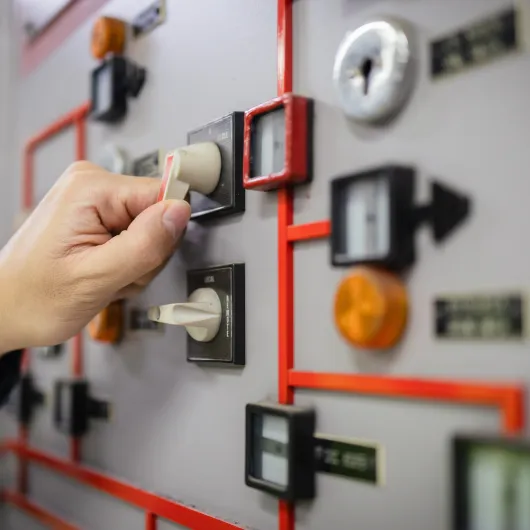
  • Electrical fault-finding and repair capabilities (single and three-phase systems, PLCs, control panels)
  • Experience with hydraulic and pneumatic systems
  • Familiarity with TPM (Total Productive Maintenance), PPM (Planned Preventative Maintenance) schedules, and CMMS software
  • Strong problem-solving, analytical thinking, and ability to work independently or as part of a team
What are the essential skills for a Maintenance Engineer?
Maintenance Engineer Work Environment

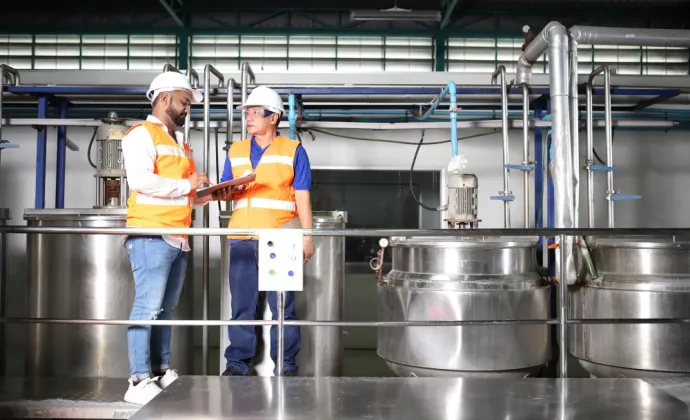
Maintenance engineers work across diverse industries including FMCG (food and beverage), pharmaceuticals, automotive, packaging, aerospace, chemical processing, utilities, and general manufacturing. Depending on the role, they may work in production facilities, processing plants, warehouses, or specialist manufacturing sites. Many positions involve shift work, including days, nights, and weekend rotations to provide 24/7 maintenance coverage. The varied nature of maintenance engineering means every day brings different challenges, from routine servicing to complex fault diagnosis across multiple systems.

Maintenance Engineer Work Environment
Career Progression for Maintenance Engineers

Maintenance engineers have excellent career development prospects. With experience, you can progress to Senior Maintenance Engineer, Maintenance Team Leader, or Maintenance Manager roles. Specialising in areas such as reliability engineering, continuous improvement (Lean/Six Sigma), or multi-skilled engineering (combining mechanical and electrical expertise) can accelerate career advancement. Many maintenance engineers also transition into project engineering, facilities management, or engineering consultancy roles.

Career Progression for Maintenance Engineers
Maintenance Engineer Job Vacancies in Essex and Suffolk
Looking for a maintenance engineer role in Essex or Suffolk? We regularly recruit for maintenance engineering positions across these regions, from multi-skilled engineers to specialist mechanical or electrical maintenance roles, whether you're early in your career or seeking a senior position.
Temporary Maintenance Engineer

We are looking for a mobile Maintenance Engineer for a company based in Witham.

£18.00 - £21.00 p/h
Witham, Essex
Engineering
On-site
Job ref: 93864_1781175660 View
Permanent Maintenance Engineer

I am on the lookout for a mechanical maintenance engineer with a background in commissioning, decommissioning and welding. its a great opportunity paying over £50K per annum.

£22.00 - £25.00 p/h
Braintree, Essex
Engineering
On-site
Job ref: 95731_1781173137 View
Permanent Maintenance Engineer

We are looking for a mechanically biased maintenance engineer who can step up as one of the companies lead engineers!

£40,000 - £50,000 p/a
Mildenhall, Suffolk
Engineering
On-site
Job ref: 95993_1780910023 View
Permanent Mechanical Maintenance Engineer

Our client is keen to recruit a Mechanically biased Maintenance Engineer to work within a heavy industry plant.

Negotiable
Colchester, Essex
Negotiable depending on experience
Engineering
On-site
Job ref: 96023_1780656497 View
FAQs About Maintenance Engineer Jobs
Do I need a degree to become a maintenance engineer?

No, a degree is not required to become a maintenance engineer. The most common route into maintenance engineering is through an apprenticeship (Level 3 Advanced Apprenticeship) or vocational qualifications such as BTEC, City & Guilds, NVQ Level 3, or HNC/HND in mechanical or electrical engineering. Many successful maintenance engineers enter the field through apprenticeships, gaining hands-on experience while earning a salary. However, if you wish to progress into senior engineering management roles, pursuing higher qualifications like an HNC, HND, or degree can be advantageous later in your career.
 

What qualifications do I need to become a maintenance engineer?

The minimum qualification typically required is a Level 3 vocational qualification such as an NVQ Level 3 in Engineering Maintenance, BTEC Level 3 in Engineering, or City & Guilds diploma in mechanical or electrical engineering. Most employers value practical, hands-on experience highly. Additional certifications like 18th Edition Wiring Regulations (BS 7671:2018+A4:2026), City & Guilds 2391-52 (Inspection and Testing), hydraulics and pneumatics qualifications, or PLC programming can significantly boost your employability and earning potential.

What industries hire maintenance engineers in Essex and Suffolk?

Maintenance engineers are in high demand across Essex and Suffolk in industries including FMCG (food and beverage manufacturing), pharmaceuticals, packaging, automotive, aerospace, chemical processing, utilities (water and energy), and general manufacturing. The region has a particularly strong manufacturing and industrial base, creating consistent opportunities for skilled multi-skilled, mechanical, and electrical maintenance engineers across various sectors.

What salary can I expect as a maintenance engineer in Essex and Suffolk?

Salaries for maintenance engineers in Essex and Suffolk vary based on experience and qualifications. Entry-level positions typically start around £28,000 to £32,000. Experienced multi-skilled maintenance engineers generally earn between £35,000 to £42,000 annually. Senior-level positions, such as Maintenance Team Leader or Senior Maintenance Engineer, can command salaries of £45,000 to £55,000 or more, particularly in specialised industries or roles with shift premiums.

Do maintenance engineers have to work nights and weekends?

Yes, many maintenance engineer roles require shift work, including nights and weekends, to provide 24/7 coverage for manufacturing and production facilities. Common shift patterns include Continental (4-on-4-off, alternating days and nights), Panama (2-on-2-off, 3-on-3-off rotation), and Double Days (alternating week patterns without nights). However, some positions offer day-shift-only schedules, particularly in smaller facilities or office-based environments. Shift work typically comes with enhanced pay rates and shift allowances. When applying for roles, check the job description for specific shift requirements.

What's the difference between a maintenance engineer and a mechanical engineer?

A maintenance engineer focuses on keeping existing equipment and machinery running through preventative maintenance, breakdown repairs, and fault diagnosis in operational environments like factories and production facilities. A mechanical engineer typically designs, develops, and tests new mechanical systems and products, working more in design offices, R&D labs, or project-based environments. Maintenance engineering emphasises hands-on problem-solving and reactive work, while mechanical engineering focuses on design, innovation, and product development. Both require strong technical knowledge, but the day-to-day responsibilities differ significantly.

Are there opportunities for career development and certifications?

Yes, maintenance engineers have excellent career progression opportunities. You can advance through certifications like 18th Edition Wiring Regulations (BS 7671:2018+A4:2026), City & Guilds 2391-52 (Inspection and Testing), PLC programming courses, hydraulics and pneumatics qualifications, and Lean Six Sigma. These qualifications enhance technical skills and open pathways to senior roles such as Maintenance Team Leader, Maintenance Manager, or Engineering Manager. Career development can also lead to specialisations in reliability engineering, continuous improvement, or facilities management. With further training, you can progress into project engineering or consultancy roles.

How do I get my first maintenance engineer job with no experience?

The best route into maintenance engineering without experience is through an apprenticeship, which allows you to earn while you learn. Look for Level 3 Advanced Apprenticeships in Engineering Maintenance, Mechanical Engineering, or Electrical Engineering. Entry requirements typically include GCSEs in Maths and English (grades 9-4 or A*-C). Alternatively, consider starting in an assistant or technician role to gain hands-on experience, then pursue vocational qualifications part-time. Demonstrating genuine interest in engineering through hobbies (e.g., fixing things, DIY projects) can also help you stand out to employers during the application process.

Shutterstock 2681442989
Start your Job Search Today