What does it actually take to recruit and keep great people in today’s job market, and how do we close the region's skill gap?
If you're an employer in Essex or Suffolk, chances are you've felt it — the frustration of a recruitment process that isn’t efficient, the worry of losing an experienced team member with no obvious successor, or the sense that the talent pool is smaller than ever in your field.
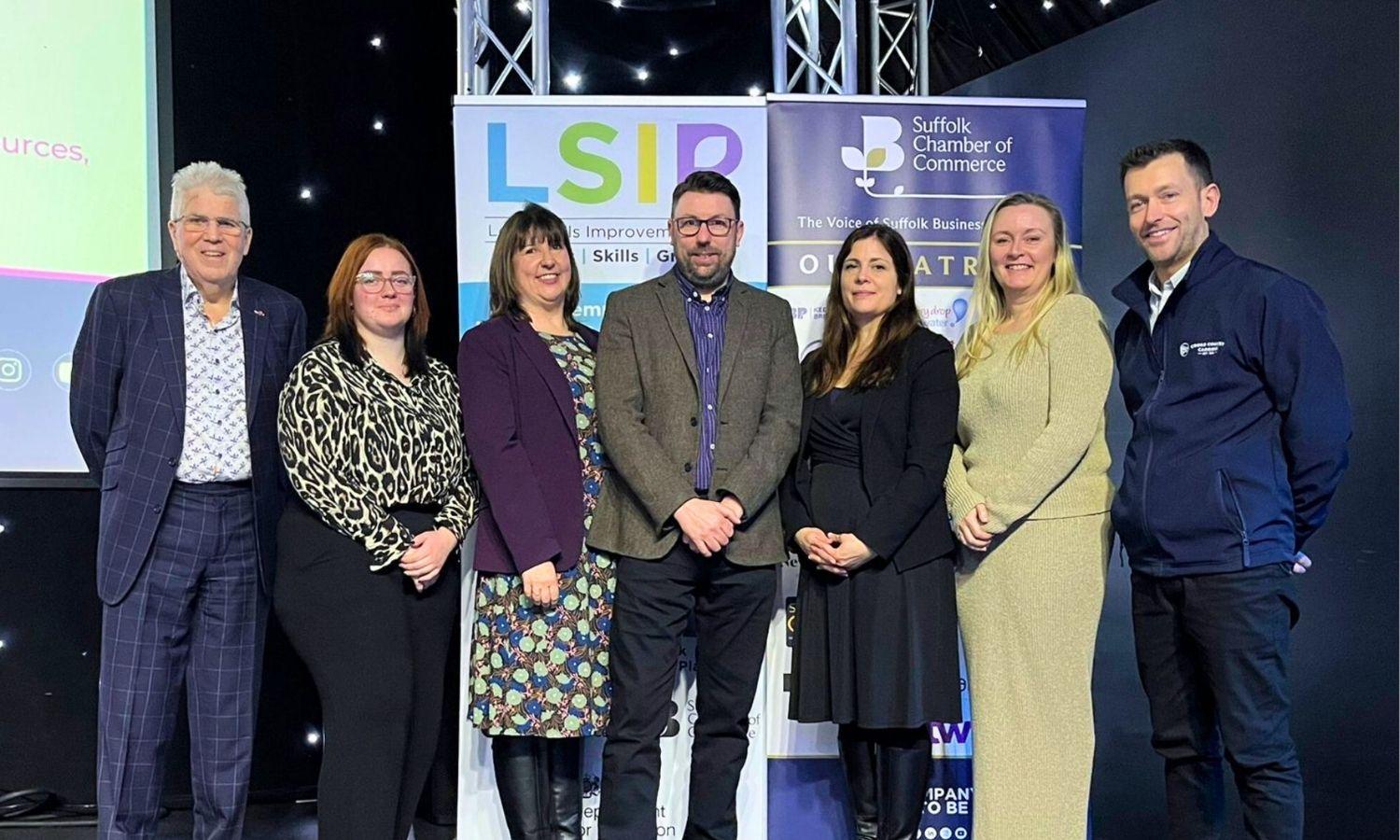
The event brought together business leaders across the region to explore practical approaches to recruiting and retaining apprentices, preparing for an ageing workforce, and thinking differently about finding great people. Here's what stood out.
Each shared honest insights into the challenges and opportunities they face when hiring apprentices and developing talent.
Rethinking How You Recruit Apprentices
One of the clearest themes of the day? Traditional recruitment is no longer enough.
Morgan Sindall have leaned into digital channels — using LinkedIn open forums and video blogs from previous apprentices to give candidates an authentic window into what working there actually looks like - an approach that resonates strongly with younger audiences. Crucially, they also ensure that apprentices are fully integrated into the business from day one, gaining exposure to all aspects of operations rather than being limited to administrative tasks.
Cross Country Carriers, operating in the transport and logistics sector, discussed the challenges of high staff churn and the national shortage of Class 1 drivers. Rather than waiting for candidates who already hold a licence, they invest in people by funding the training themselves. It's a bold move — but one that has significantly widened their talent pool and given them the freedom to hire the right person, not just the most qualified one.
East Suffolk Services has been trialling a range of local channels, from Suffolk Jobs Direct to radio advertising, to reach potential applicants who might not be found through traditional job boards.
But one point unanimously agreed upon by the panel:
“Today’s workforce buys into culture before job titles.”
Candidates want to know what your company stands for before they even look at the salary. Showcasing your culture is no longer optional. It is essential to reach the best candidates.
Skills vs Attitude: Which Should Come First?
Richard Bridgman OBE from Warren Services emphasised the importance of building relationships early. He has spent years building connections with local schools and colleges — not to recruit immediately, but to spark interest and provide information about the engineering industry before students have firmly made up their minds.
His message when it comes to hiring apprentices was clear:
“Skills can be taught. Attitude and work ethic are far harder to instil.”
When bringing someone new into the business, attitude should always come first. Technical ability can follow, but if the willingness to learn and work hard is not there from the outset, no amount of training will fix it. He also highlighted the value of work experience as a useful stepping stone before someone commits to a full apprenticeship.
The Ageing Workforce: Are You Prepared?
Suffolk has an ageing population, and businesses are already feeling the pressure of experienced employees approaching retirement — and taking decades of critical knowledge with them.
The panel’s advice: don’t wait until someone hands in their notice to think about this. Where practical, aim to have at least two people who can cover any essential operational role. The benefits go well beyond business continuity:
· Institutional knowledge gets preserved and shared across the team
· Employees gain a much better understanding of other parts of the business
· Teams become more collaborative and resilient
· You’re not left scrambling when someone leaves
Future-proofing your workforce is no longer a nice-to-have. It is a business necessity.
Working Together, Not Against Each Other
The session wrapped up with a strong call for regional collaboration. If you come across a strong candidate but do not have a suitable vacancy right now, share them with another local business that does. Good people — particularly those with the right attitude — are increasingly hard to find. By working together across the region, businesses can help strengthen the local workforce as a whole.
Final Thoughts
The event, delivered by the Norfolk & Suffolk Local Skills Improvement Plan, was a powerful reminder that the solutions to the skills gap do not have to be complicated — but they do require commitment.
“Solving the skills challenge requires creativity, collaboration, and a genuine investment in people.”
If you are an employer in the region thinking about apprenticeships, workforce planning, or simply how to attract and retain better candidates, you are not alone in those challenges. And there is a growing community of businesses that are willing to share what’s working.
At Prime Appointments, we're part of that community. If any of the challenges discussed here sound familiar, we'd love to have a conversation about how we can help you find the right people for your business.
Our Sixth Annual Charity Golf Day for the Alzheimer's Society
Our Sixth Annual Charity Golf Day for the Alzheimer's SocietyOn 5th June, Prime Appointments hosted our sixth annual charity golf day in support of the Alzheimer's Society — and it was, without doubt, one of our best yet.What started six years ago…