We're seeing it every day at the moment. A CV is submitted. It's well-structured, includes industry keywords, and confidently quantifies achievements. You get to calling the candidate, and within five minutes it's clear — the person's experience and the words written on the paper don't quite match.
It's not dishonesty, not really. It's a predictable result of what happens when candidates are told to use automation to beat an automated screening system.
AI in recruitment has become an unavoidable topic — and for good reason. Its impact isn't going anywhere, and it's something that has changed how our teams work entirely.
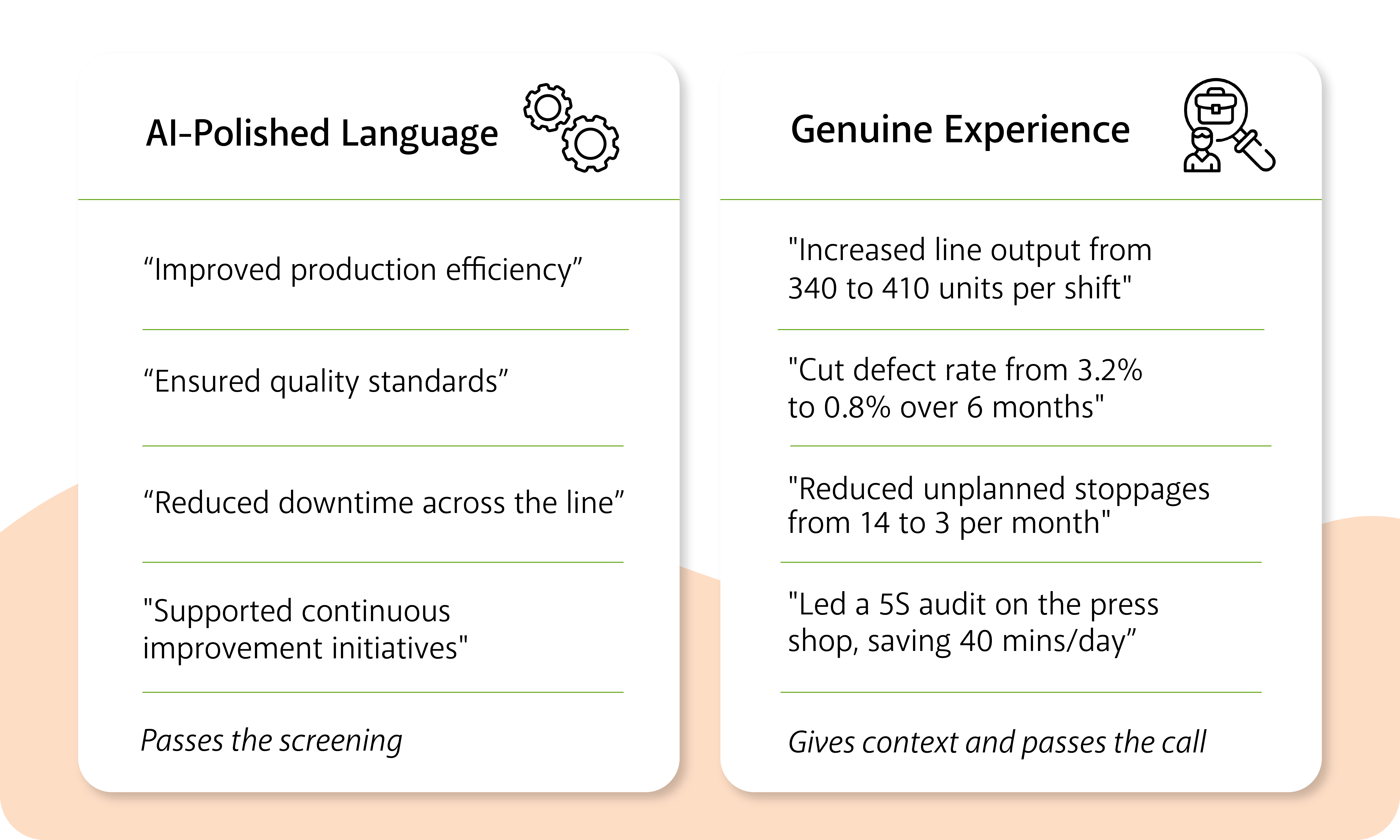
AI has made it easier than ever to produce a CV that looks right. Candidates know what the screening software is looking for — relevant keywords, achievements with statistics and numbers, clean formatting for a computer to be able to scan it (they're not prioritising us-reading humans anymore) — and tools like ChatGPT now do all of that in thirty seconds, tailored to the exact job description in front of them.
And they work. They get through the filters, and the CVs are received well.
The problem is, so does everyone else's. Hiring managers in Essex and Suffolk are telling us the same thing — that they're being flooded with applications that all read very much the same, and the people worth talking to are getting lost in the pile.
The CV was already arguably quite an impersonal tool (trying to quantify years of work and experience into a few lines and achievements, whilst getting your personality across is tough!), and now it's even colder.
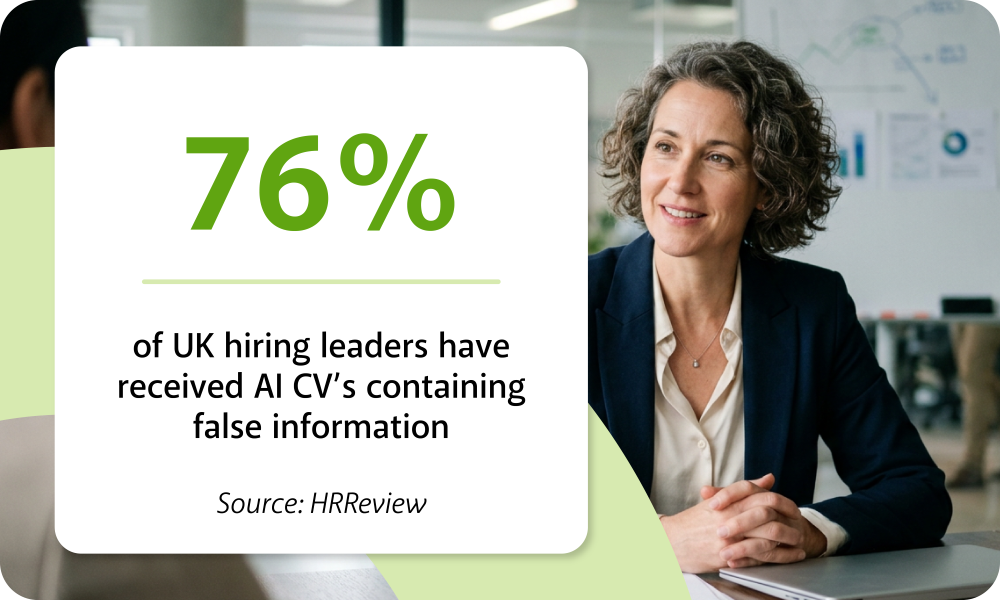
There's a difference worth talking about here. Candidates using AI to present their genuine experience more clearly? That's understandable — the system has always rewarded the best-presented application, not necessarily the best person. But 76% of UK hiring leaders have now received AI CVs containing false information, with a quarter saying it happens regularly (HRReview) . Now, that's a different issue entirely — and it's exactly why screening can't stop at the paper.
The initial conversation matters more than ever.
We explored this recently in a piece for BusinessTime with our Operations Manager Katie Holmes — worth a read if you want to go deeper on what to look for.
The point that stuck: genuine experience produces specific detail. "Reduced ticket resolution time from 4.3 hours to 2.7 hours" not "improved efficiency by 30%." But most importantly, real candidates can explain their experience when you ask them to. AI-written applications tend to struggle once questions move off script.
How we approach it at Prime Appointments
At Prime Appointments, every candidate goes through initial screening — but that's never the whole picture. Our consultants review it and then actually speak to the person about their experience before anyone gets put forward to a potential employer — and because they're experts in their divisions, they also know if someone may be trying to bluff their way through.
That call is where we find out what the CV can't tell you. Why they're moving. What they're like under a bit of pressure. Whether they're thinking this is a long-term role. Whether the commute is viable for them. How well they're able to talk through, explain and back up the information included in their CV.
Sure, it takes longer than clicking approve on a shortlist. But it's the difference between finding someone good at using AI and making a good hire for your business.
The wider industry is catching up with this too. Four in ten employers are now actively moving away from CV-first hiring, and only 37% say credentials and work history are among their most reliable indicators of talent (The Global Recruiter). The CV gets you to the conversation. It was never meant to replace it.
If your current process relies heavily on CVs and application scores, it's worth asking what you might be missing. The candidate who presents brilliantly on paper isn't always the one who performs. And the one who nearly didn't get through? Sometimes they're exactly who you needed.
We're happy to talk through how we approach candidate assessment — and why getting that early screening right saves most businesses far more time than they'd expect.
Our Sixth Annual Charity Golf Day for the Alzheimer's Society
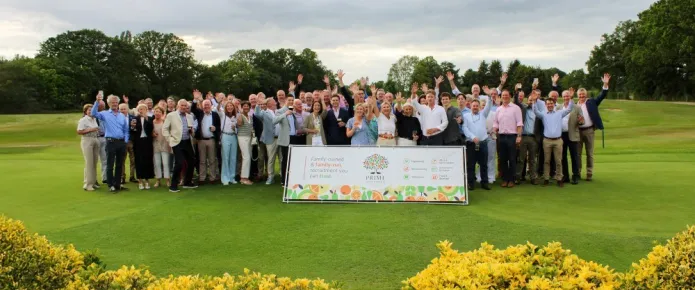
Our Sixth Annual Charity Golf Day for the Alzheimer's SocietyOn 5th June, Prime Appointments hosted our sixth annual charity golf day in support of the Alzheimer's Society — and it was, without doubt, one of our best yet.What started six years ago…