Four Things Changing for Employers This April — And What to Do About Them
Information correct as at 23 February 2026
April is bringing some of the biggest changes to employment law in a generation. Most of them come into effect on 6 April 2026 — now only a few weeks away. We work with employers across Essex and Suffolk every day, and these changes are already influencing how our clients are planning their hiring for the coming year. If you haven't reviewed the changes yet, here's what you need to know.
1. Sick Pay Starts From Day One — And More People Will Qualify
From the 6th of April 2026, Statutory Sick Pay begins from the first day of sickness. The previous three-day waiting period will no longer exist.
At the same time, the lower earnings limit is being removed — so employees who previously earned too little to qualify for SSP will now be entitled to it. The new maximum rate is £123.25 per week (up from £118.75), or 80% of normal weekly earnings, whichever is lower.
If you employ part-time, minimum-wage or temporary staff — which covers a lot of businesses in retail, logistics, hospitality, and care across our area — this is an impactful cost increase. It's worth updating your sickness absence policy and briefing your managers ahead of April so that your team are well informed.
2. Paternity Leave and Parental Leave Become Day-One Rights
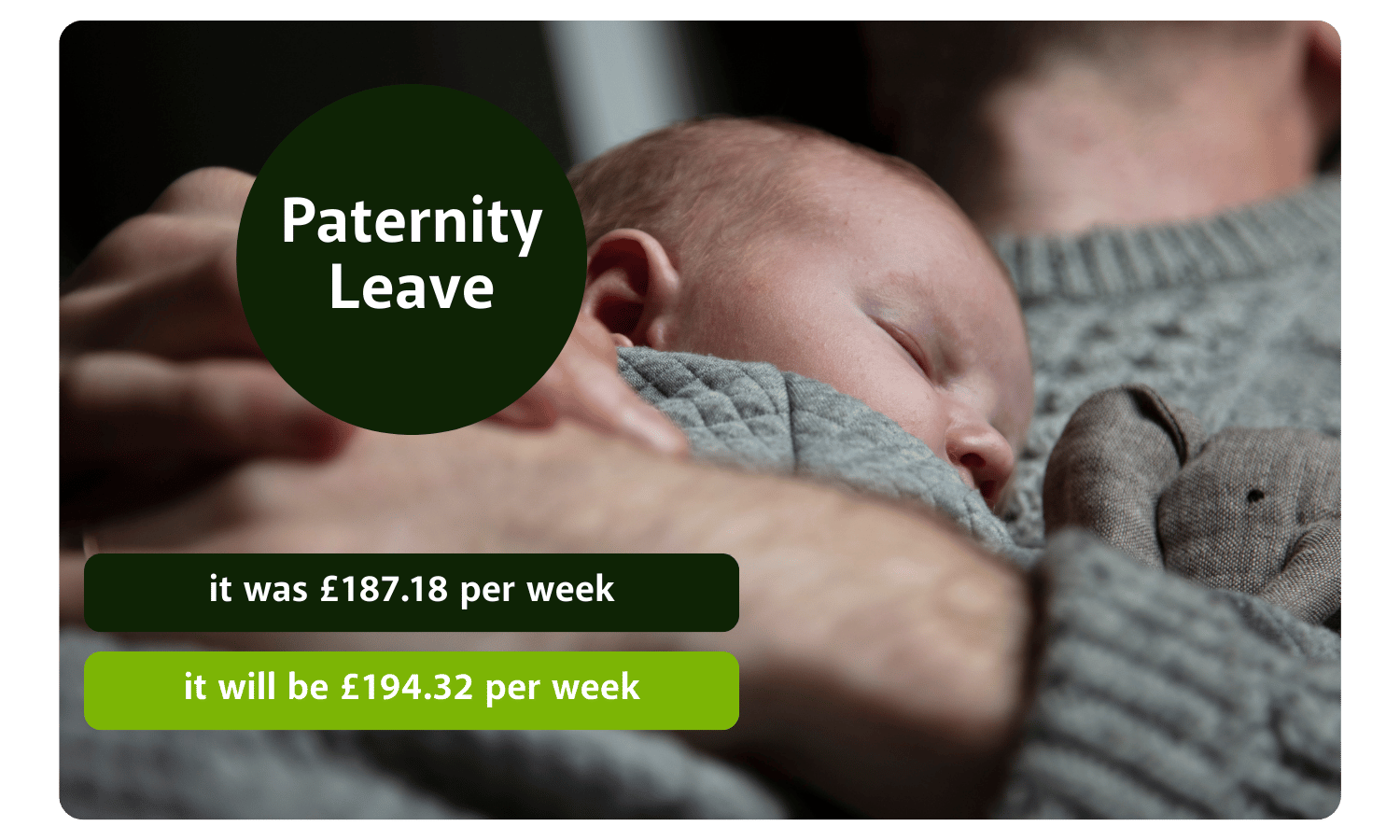
Also, from the 6th of April, employees can take paternity leave and unpaid parental leave from day one of employment — there's no qualifying period. It's worth noting that the right to Statutory Paternity Pay remains unchanged for now, so the right to take the leave is day-one, but the right to be paid during it isn't always.
Previously, staff needed 26 weeks' service for paternity leave and a full year for parental leave. These rights now apply to babies born on or after 6 April, and employees have already been able to give notice of their intention to take leave since 18 February 2026. If you regularly hire new starters, it's worth updating your leave policies and making sure managers know how to handle requests from people who've just joined
3. The National Living Wage Goes Up to £12.71
From 1 April 2026, the National Living Wage rises to £12.71 per hour for workers aged 21 and over — up from £12.21. Workers aged 18–20 move to £10.85, and 16–17 year olds and apprentices to £8.00.
If any of your staff are on or near minimum wage, we'd recommend updating your payroll a week or two before 1 April rather than on the day itself — it gives you time to catch any errors before they show up in someone's pay. It's also worth making sure any live job adverts reflect the new rates.
4. A New Enforcement Body Launches — the Fair Work Agency
On the 7th of April 2026, the Fair Work Agency begins operating. It will consolidate enforcement functions currently split across HMRC's minimum wage unit, the Gangmasters and Labour Abuse Authority, and others into a single body with the power to inspect workplaces, bring tribunal claims on behalf of workers, and recover underpayments.
This brings enforcement under a single body rather than several separate regulators. Businesses with clear policies, consistent practices and well-kept records are likely to be better placed under this system.
And Looking Ahead to 2027...
The April changes are just the first wave of the Employment Rights Act. January 2027 brings further significant reform — including unfair dismissal rights from six months' service (down from two years), removal of the compensation cap, and new rights for zero-hours and agency workers.
That six-month change may affect hiring decisions you're making now. Although the new six-month qualifying period for unfair dismissal is due to take effect in January 2027, employers may need to plan ahead sooner. People hired during 2026 — particularly from mid-year onwards — could reach six months’ service by the time the change comes in, meaning they may gain unfair dismissal protection much earlier than under the current two-year rule. This makes it sensible to think carefully about hiring decisions and onboarding well before the law formally changes.
If you want to talk through what any of this means for your hiring — whether that's cover planning, flexibility, or just a second opinion — we're happy to have that conversation.
Get in touch with the Prime Appointments team.
We're not employment lawyers — please seek proper legal guidance for anything specific to your business. This article is for general information only, based on sources available as at 23 February 2026. Dates marked as provisional may be subject to change.
Why Hiring Support Staff for a Manufacturing Site Is Nothing Like Hiring for an Office
Whether it's accounts, customer service, purchasing, HR, or production admin — office and support staff in manufacturing environments face pressures that simply don't exist in a corporate office setting. Hiring them without understanding that world…